

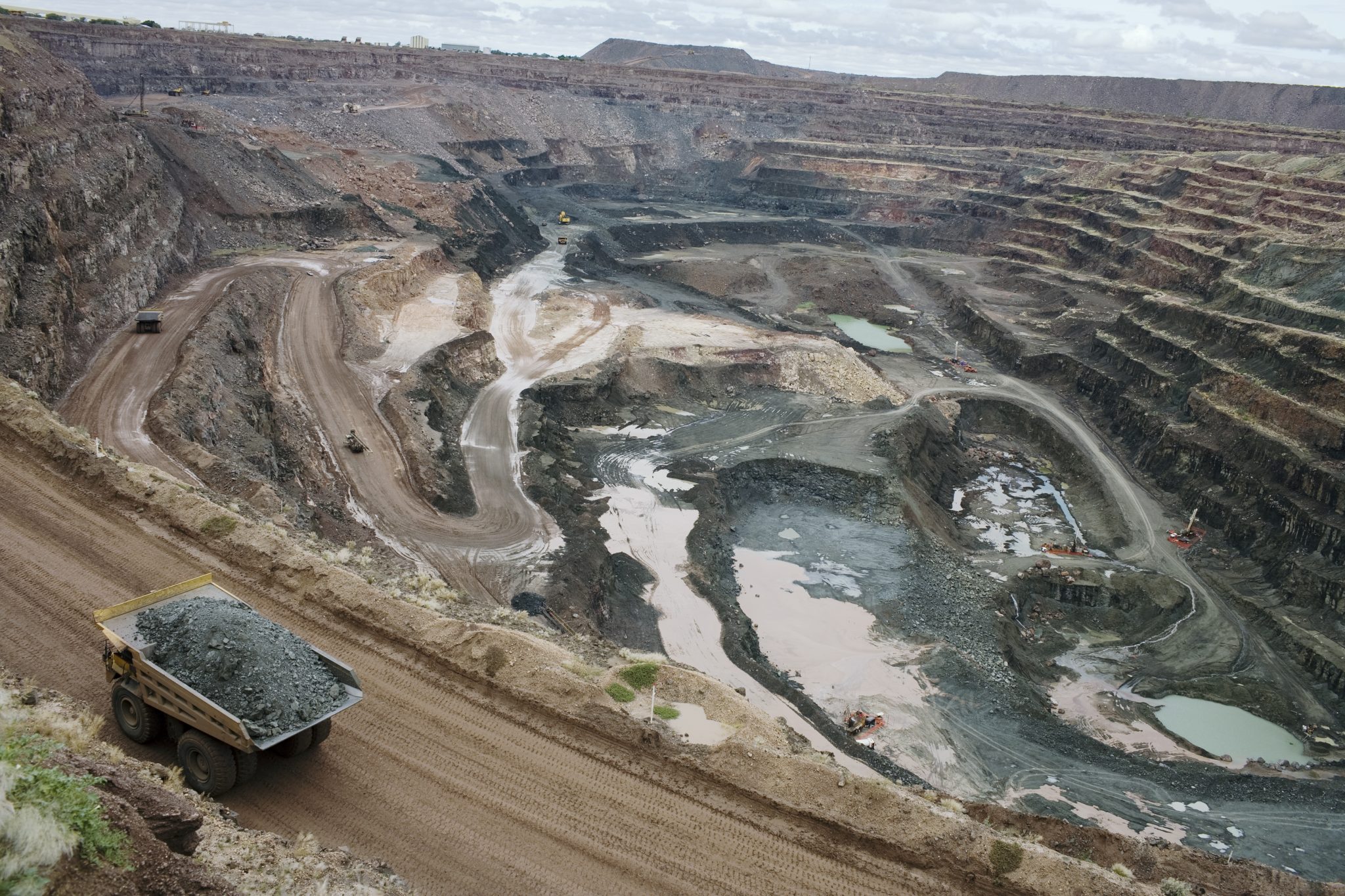
In the Sahel, sorrow, tears, and pain have indeed become trademarks, as illegal mining fuels insecurity, corruption, and instability.
Gold in the Sahel is more than a mineral. It is a political weapon, a lifeline for fragile economies, and a magnet for conflict. Now, it stands at the heart of an audacious experiment in sovereignty as military rulers push to nationalise resources and reclaim control.
Illegal mining has become a global crisis, undermining economies, destroying the environment, and funding conflict. The Sahel’s mining potential is vast, but its promise is crippled by political instability, smuggling, jihadist control of territories, and weak governance.
The Sahel stretches from Senegal to Sudan, a semi-arid belt between the Sahara Desert and the savannas. Its identity is shaped by a tough climate, fragile states, and vast mineral wealth.
Core Sahel states, Mauritania, Mali, Burkina Faso, Niger, and Chad, depend heavily on mining for income. Yet insecurity and foreign exploitation have long prevented citizens from benefiting.
In 2023, Mali unveiled a mining code that raised state ownership to 35% and scrapped tax exemptions. Decrees in 2024 gave the government veto powers over licenses and required local hiring and procurement.
Burkina Faso followed with its own reforms, creating a state company to acquire mines and launching its first national gold refinery. By 2024, it had nationalised five major operations, including Boungou and Wahgnion.
In Niger, authorities revoked France’s Orano uranium license and seized the Somair mine, while also expanding state-led gold exploration.
Isolated from the West, these juntas turned to new partners like Russia, China, and Türkiye. Wagner-linked operatives offered security in exchange for concessions, while Chinese firms expanded exploration. Mining nationalism became both a political shield and an economic necessity.
“Nationalisation of resources is central to their narrative,” said Ulf Laessing of the Konrad Adenauer Foundation in Mali. “It signals: we are no longer puppets of the West. We are reclaiming sovereignty.”
Whether these policies can increase revenue without scaring away investment is uncertain. Barrick Gold filed for arbitration after Mali seized part of its Loulo-Gounkoto complex. Analysts warn such actions could send investors elsewhere.
“Mining is capital intensive and high risk,” Laessing explained. “If companies fear sudden nationalisation, they will simply go elsewhere. The Sahel could lose both revenue and expertise.”
Yet for citizens, sovereignty carries symbolic weight. “For too long, our gold fed outsiders,” said Fatoumata, a teacher in Kayes, Mali’s gold belt. “If the state uses it for schools and hospitals, that is justice.”
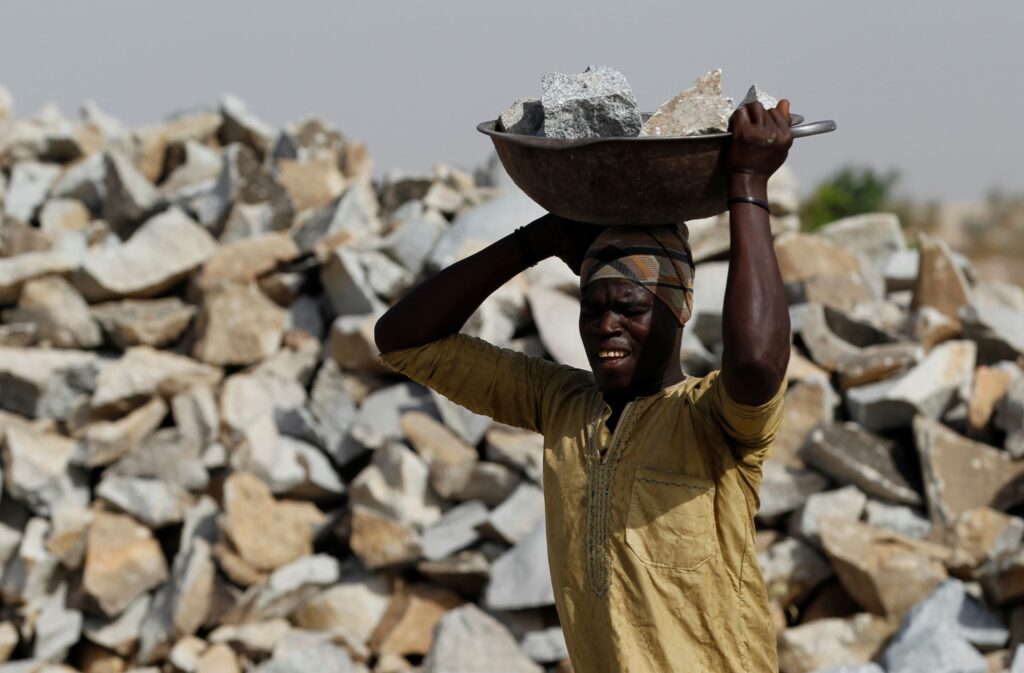
Still, artisanal miners remain wary. With vast areas under militant control, armed groups tax miners and entrench themselves in gold zones. Ownership decrees alone cannot dislodge them.
The Sahel’s experience mirrors Africa’s broader “resource curse.” Mali produces more than 100 tons of gold annually, second only to Ghana. Burkina Faso follows with nearly 95 tons, while Niger is among the world’s top uranium producers. Yet decades of mining enriched outsiders—South Africa’s AngloGold Ashanti, Canada’s Iamgold, London-listed Randgold, France’s Orano—while locals suffered pollution, displacement, and violence.
Between 2020 and 2023, juntas in Mali, Burkina Faso, and Niger toppled elected governments, citing insecurity and corruption. Once in power, they quickly targeted mines, linking control of resources to national survival.
Gold, Guns, and Insecurity
Illegal mining and smuggling drain billions from state coffers. Nigeria alone is estimated to lose $9 billion annually. In the Sahel, jihadists and armed groups exploit mining zones, taxing miners and fueling insurgencies.
“Illegal mining is not just an economic crime; it funds terrorism, drains billions in revenue, and destroys communities,” said CP Ajai Saka Adewale, Commissioner of Police, Abuja.
This fusion of gold and guns makes state control both urgent and risky. Mines may generate revenue, but they also attract violence, turning into battlefields.
Analysts outline several likely outcomes:
- Stronger State Control: Mining codes will increasingly favor domestic stakes, royalties, and local processing. Western firms may retreat, while Russia, China, and Türkiye expand influence. Value addition through refineries and local industries may boost jobs and revenue.
- Security Challenges: Mines will require heavy protection, risking further militarisation.
- Artisanal Mining Reform: Formalising small-scale miners could transform a chaotic sector.
- Environmental Threats: Without regulation, mining will devastate fragile ecosystems.
“The future depends on governance,” said Dr. Karim. “If managed well, gold can build schools, hospitals, and roads. If mismanaged, it will fuel corruption, inequality, and war.”
History offers warnings. Zambia nationalised its copper mines in the 1970s, but poor management and falling prices drove it into debt. Botswana, by contrast, struck a joint venture with De Beers that helped build schools, clinics, and roads—an example of balance.
Nigeria’s oil story stands as a cautionary tale. Nationalisation created NNPC, but decades of corruption and inequality left little progress. Tanzania under Magufuli increased revenues through contract renegotiations, but unpredictability scared investors.
Mali: A Case Study
Mali, Africa’s third-largest gold producer, has moved decisively to reclaim greater control over its mining assets while forging new strategic partnerships that challenge Western dominance.
In 2024, Mali’s military-led government took over Barrick Gold’s Loulo-Gounkoto mine, one of West Africa’s most productive gold operations. For years, foreign multinationals had controlled extraction with only modest royalties flowing to Bamako. This was justified as a corrective measure to rebalance ownership in favor of national interests.
Another striking deal was Mali’s $200 million refinery agreement with Russia’s Yadran company, signed in early 2025. The deal gives Mali a 62% ownership stake, with Russia holding the remaining 38%. The refinery, slated to be built near Bamako, is designed to process Malian gold domestically rather than exporting raw ore abroad—a symbolic and material break with the historical pattern of raw resource export dependency.
Such a majority stake is rare in Africa’s extractive sector, where foreign firms typically retain controlling interests. For Bamako, the structure signals a determination to capture greater value at home. Yet the key question remains: will revenues flow into citizen welfare via jobs, subsidies, or infrastructure—or simply reinforce the military government’s patronage networks? Transparency around revenue allocation is still thin.
The refinery, if successfully implemented, could reshape Mali’s fiscal base. Gold currently accounts for over 80% of Mali’s export earnings, estimated at $8–9 billion annually. Processing domestically could increase value capture by several percentage points of GDP, potentially boosting government revenues by hundreds of millions of dollars each year.
However, history cautions against optimism: the absence of strong oversight institutions often means such revenues are siphoned off by elites. For ordinary Malians, the impact will depend less on ownership percentages than on how proceeds are distributed.
Geopolitics and Strategic Partnerships
The Yadran refinery is not just an economic project; it is a geopolitical statement. Mali is signaling that its strategic partners are no longer Paris, London, or Ottawa but Moscow, Ankara, and Beijing.
Russia has entrenched itself as Mali’s primary security partner. The Wagner Group (now restructured and operating as ‘Africa Corps’) has supported Bamako’s counter-insurgency campaigns. The refinery agreement formalizes and expands this relationship into the economic sphere.
Türkiye has deepened defense and infrastructure ties, supplying drones and construction expertise. China, though less visible in the gold sector, is acting as a long-term player in infrastructure financing and is quietly exploring Mali’s lithium potential.
Together, these shifts signal Mali’s diversification of alliances and an alternative axis of Russia–Türkiye–China cooperation.
Although benefits to ordinary citizens remain more aspirational than tangible, the government has promised job creation around the refinery and suggested domestic refining will stabilize fuel prices and allow reinvestment into social programs. Civil society actors, however, warn that without accountability, the refinery risks becoming an elite-controlled venture.
Nevertheless, the symbolism matters. For a country long trapped in unequal mining contracts and external dependence, this new trajectory represents a profound reassertion of sovereignty.
The lesson for the Sahel: sovereignty alone is not enough. Balance, transparency, and strong institutions are key.
Nationalisation offers the juntas a chance to reclaim sovereignty and rewrite the story of their resources. But success depends on whether citizens see real benefits in schools, hospitals, roads, rather than soldiers guarding pits.
A smarter path may resemble Botswana’s: keep foreign expertise on fairer terms, share profits, insist on local hiring, protect the environment, and publish contracts so citizens can track revenues.
The Sahel also stands on an environmental knife-edge. With climate change worsening desertification, reckless mining could devastate ecosystems and displace farmers. Sustainability is survival.
Nationalisation may restore pride, but without transparency, it risks repeating Zambia’s failures or Nigeria’s oil curse. If the Sahel strikes a balance borrowing from Botswana’s model while avoiding old mistakes, it could turn gold into prosperity rather than conflict.
As one Burkinabè miner put it: “Gold is a blessing, but also a curse. It depends on who holds the shovel and who shares the profit.”
 English
  French