

At 42, Bertha Sabuni begins her day before dawn, walking out of her home in Makululu, Kabwe, to wash clothes for neighbors. Despite completing secondary school, she is left with only manual jobs, a stark irony in a community scarred by decades of lead pollution.
Her daughter, 11-year-old Naomie Musonda, struggles to concentrate in Grade 6, her mind clouded by the same invisible poison that haunts the soil, water, and air around them.
“Because of this, she does the opposite of things. She has been tested and found to have a high level of lead in her blood, but we can’t afford the kind of food we are asked to give her,” Bertha told me during our interview, her voice soft, heavy, heavy-laden. Every cough, every fever, every absent-minded mistake reminds them that this town, once a mining hub, has become a sacrifice zone.
Later in our conversation, Bertha added, “Even though I am educated, the opportunities here are gone. I must travel outside Makululu for any work, and it is not enough to make ends meet.”
Barry Mulimba, a Kabwe resident, environmental advocate, and community leader, confirmed that Bertha’s experience is tragically common among the young learners in Kabwe. He added, “School-going children affected by lead contamination show lower IQ levels, poor academic performance, and learning difficulties. What Bertha describes is exactly what we see across Kabwe. Cognitive impairments are compounded by economic and educational hardships.
From Mines to Mayhem
Kabwe’s story of lead contamination stretches back decades, rooted in unregulated mining and industrial neglect. Barry Mulimba, an environmental advocate and community leader who has worked closely with affected communities, recalls how the situation unfolded: “The company that was operating Kabwe Division was Anglo-American Plc. After they had left their mining activities around 1994 or thereabout, the dust emissions that were created by it were all over the place.” However, some reports indicate that Anglo American divested its share in the mine in 1974.
Environmental groups such as ACTSA and Environment Africa note that this abandonment left neighborhoods coated in lead-laden dust, a silent threat that lingered long after the mines ceased operations.
Mulimba emphasizes that the legacy of contamination has been compounded by a lack of support:
“We have not had any assistance at all from anybody to mitigate the impact of lead ever since Anglo-American stopped its mining operations.”
Generations of residents have lived with the invisible hazard, often unaware of the risks, while official oversight remained minimal. He notes that the crisis is not new: “The lead situation has been there since the 1970s.”
Human Rights Watch and other rights groups have long warned that weak environmental governance allowed the contamination to spread unchecked. This historical backdrop, they argue, set the stage for Kabwe’s present-day crisis, a city many advocates now describe as a “sacrifice zone,” where industrial profits were prioritized over human health.
The absence of early intervention meant that communities were left to navigate an unprecedented public health challenge on their own. “The communities were left in a desperate situation and did not know what to do or who to approach for help in terms of mitigating factors against lead poisoning,” Mulimba recalls. Families, schools, and local authorities struggled to comprehend the magnitude of the contamination, while the dust, water, and soil remained vectors of chronic exposure.
This historical backdrop sets the stage for understanding Kabwe’s present-day crisis. Decades of industrial activity, corporate abandonment, and policy gaps have converged to create a “sacrifice zone,” where economic gains were prioritized over the health and safety of the people. Today, the city bears the enduring imprint of that negligence, and the consequences are felt most acutely by its children.
Scale of Contamination
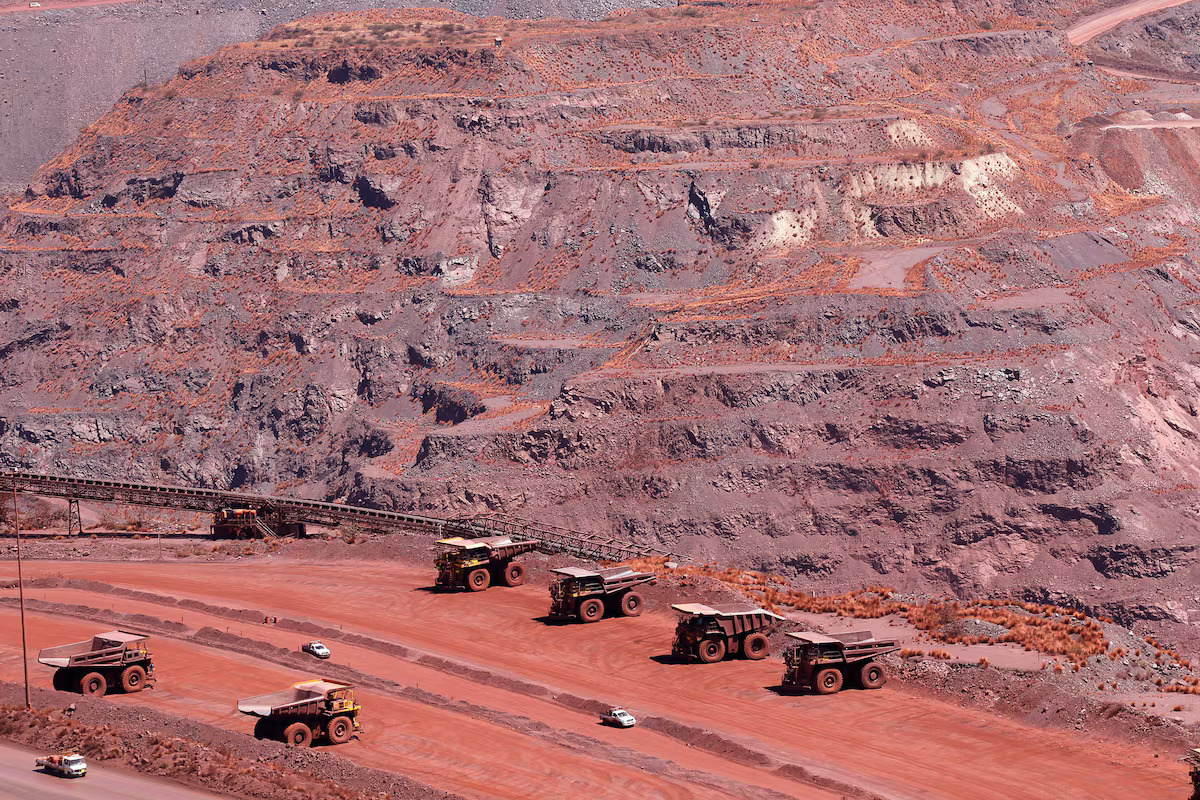
Kabwe, Zambia, remains one of the most lead-contaminated towns in the world, a legacy of over eight decades of mining and smelting without proper environmental safeguards. The Kabwe mine, which operated from 1906 to 1994, left behind widespread contamination of soil, water, and air, affecting entire communities.
Scientific studies paint a grim picture.
A 2020 study published in Scientific Reports found that the average blood lead level among residents was nearly 12 micrograms per decilitre (µg/dL) – more than double the World Health Organization’s safe limit of 5 µg/dL.
Human Rights Watch reported that over 95 percent of children in the most affected townships have elevated blood lead levels, with about half exceeding levels that require medical intervention.
Soil tests, cited by the Zambian Ministry of Health and the National Public Health Institute, indicate that some areas in Kabwe exceed 10,000 parts per million of lead, far above the U.S. Environmental Protection Agency’s safety threshold of 400 ppm.
Mulimba notes that “the lead poisoning affects even the plantations grown around the residential areas, especially those close to the mining plant. In fact, you cannot grow anything; vegetables do not perform well once you grow them in these areas.” Bertha Sabuni and other residents confirmed this devastation.
International NGOs and UN agencies, including UNICEF and WHO, have documented similar findings, warning that children in lead hotspots face lifelong cognitive and health consequences.
Kabwe’s contamination reflects a wider African story, from Nigeria’s Niger Delta to South Africa’s mine dumps, where pollution still defines daily life.
Impact on Communities
In Kabwe, lead contamination is more than a health hazard. It shapes every aspect of life. Families live under the constant threat of lead exposure.”
Bertha Sabuni rises before dawn to wash clothes for neighbors, a necessity in a town where formal employment opportunities are scarce. Her daughter, 11-year-old Naomie, struggles to focus in school, her mind clouded by lead exposure. What should be ordinary childhood learning has become a daily challenge.
When asked what she wants to be done, Bertha Sabuni said the government should help families with jobs and find ways to end lead poisoning.
She said her daughter had been tested, and doctors confirmed the illness was due to lead exposure. “They have destroyed the lives of many people, including us and our children. In my daughter’s case, I was asked by the doctor to start giving her milk, soya porridge, and medications. We were also told to sweep outside and sprinkle a lot of water to reduce dust,” she added.
Across the townships of Makululu, Kasanda, Joha, and Waya, parents report children with erratic behaviors, short attention spans, and frequent illness. Many did not initially connect these symptoms to environmental poisoning. It was only after sustained community awareness campaigns by local advocates and health workers that families began to understand the link between lead exposure and cognitive and developmental challenges. Some residents recount miscarriages or children born with lasting health complications, underscoring the generational impact.
Economic opportunities are equally constrained. Soil contamination prevents farming in many residential areas, forcing residents to rely on small-scale piecework or informal labor. As Human Rights Watch and Al Jazeera have reported, companies avoid investing in Kabwe, leaving communities without jobs or resources to recover.
Limited healthcare and educational support further compound the challenges, while local media efforts remain one of the few channels to highlight these injustices and amplify the residents’ voices.
For parents and children in Kabwe, survival is intertwined with caution, resilience, and hope. Daily life, school attendance, household chores, and even simple play occur under the shadow of contamination. The lived experiences of these families illuminate the profound social and economic consequences of decades of industrial neglect.
Government Regulations and Enforcement
Residents of Kabwe continue to grapple with the fallout from decades of lead contamination. Barry Mulimba said, The government has not done too much except introducing free food for children.”
While Zambia’s Ministry of Health has implemented limited interventions, blood lead screenings in select townships and school feeding programs coverage remains patchy, leaving many families without support.
Reports by Premium Times and The Daily Times highlight weak coordination among agencies and insufficient long-term funding for cleanup and mitigation.
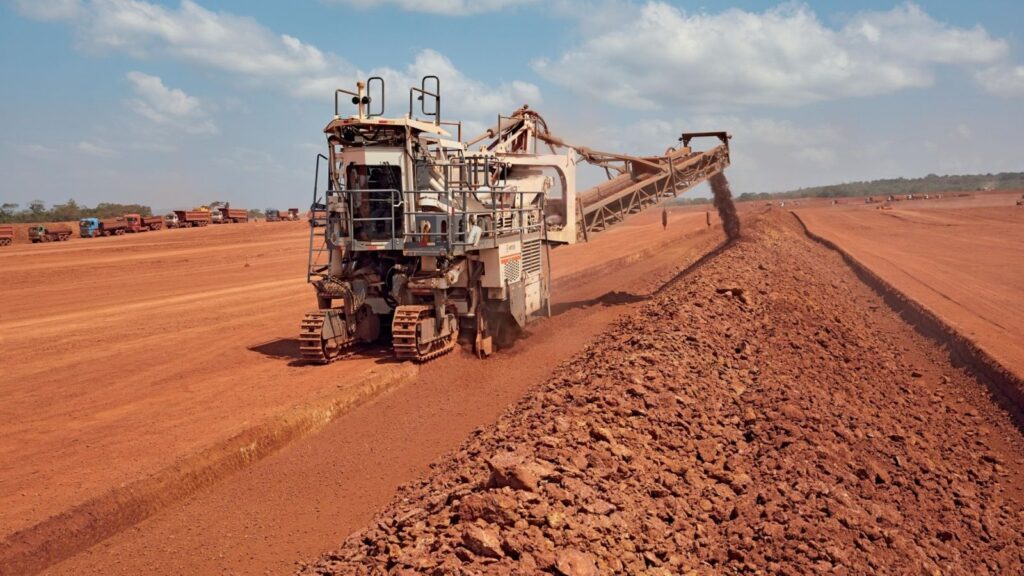
In 2016, the Zambian government launched the Zambia Mining and Environmental Remediation and Improvement Project (ZMERIP) with World Bank support to rehabilitate contaminated sites and reduce exposure risks in Kabwe and other mining towns. However, environmental advocates say progress has been slow, with remediation limited to select zones and little long-term monitoring in residential areas.
Experts argue that policies alone are ineffective without enforcement, funding, and sustained community-level intervention that addresses the realities of life amid contamination.
Mining Companies’ Roles
The legacy of lead contamination in Kabwe is inseparable from the operations of former mining companies, particularly Anglo American and its South African subsidiary, Anglo American South Africa.
Decades of lead and zinc extraction left a toxic environmental footprint, as documented on Anglo American’s official website.
Advocates and legal experts note that accountability for the resulting health and environmental crises remains elusive. Local leaders like Barry Mulimba say Anglo American has yet to accept responsibility for the ongoing contamination. “If they had stepped up to their responsibility and paid compensation to the people of Makululu, Waia, Kasanda, Kabwe, and Joa, this case would have long been settled,” Mulimba said, underscoring the company’s stance that leaving the area years ago absolves them of liability. Even after mining ceased, the environmental damage persisted.
In 2020, law firms Leigh Day and Mbuyisa Moleele filed a class-action lawsuit on behalf of over 100,000 affected residents, alleging that Anglo American South Africa bears responsibility for the pollution and its health impacts, as reported by the Wall Street Journal. Anglo American has publicly denied liability and indicated it will oppose any appeal actions in the Kabwe case.
Environmental watchdogs argue that this corporate resistance underscores the broader challenge of holding multinationals accountable in post-colonial mining contexts.
International and NGO Involvement
Residents of Kabwe have long relied on advocacy and intervention from international organizations and NGOs to address the lingering lead contamination crisis. While efforts have been made, the scope of the problem continues to overwhelm local communities.
Human Rights Watch’s 2025 report, Poisonous Profit: Lead Waste Mining and Children’s Right to a Healthy Environment in Kabwe, Zambia, documents the persistent exposure to lead and its devastating health effects, highlighting the need for a comprehensive response. UNICEF has similarly raised alarms, noting that over 95 percent of children in Kabwe display elevated blood lead levels, a statistic that underscores the urgency for coordinated action.
Regional advocacy groups such as ACTSA (Action for Southern Africa) and Environment Africa Zambia continue to bridge global and local efforts. ACTSA emphasizes that interventions remain “far from sufficient” to address the crisis and continues to press for corporate accountability.
Yet, Barry Mulimba points out, while these international interventions are necessary, they remain insufficient on their own. “The problem is massive, and although these organizations are doing their best, sustained and coordinated local action is critical for meaningful change,” Mulimba explains.
Taken together, these voices show both the reach and the limits of international and NGO engagement in Kabwe, illustrating how global attention must translate into sustained support to make a tangible difference in residents’ lives.
Conclusion: Kabwe’s Warning Yes
Kabwe is a reminder that industrial progress can leave behind invisible victims. Children, families struggle to grow food, and daily life carries the weight of long-neglected hazards.
Local advocates like Barry Mulimba and Lydia Moyo, alongside NGOs such as ACTSA, believe persistent pressure (both local and global) can still enforce accountability. Mulimba urges the world to see Kabwe’s people as their own, a call that could compel action from stubborn corporations.
For other nations facing industrial pollution, Kabwe offers lessons in accountability, advocacy, and vigilance. Delayed action carries human costs, but coordinated interventions, legal, local, and international, can break cycles of neglect.
Kabwe is not just a story of contamination; it is a verdict on silence, proof that when those responsible look away, entire generations pay the price.
 French
  English